Teaching
Click on each of the sections to see a description and additional teaching materials associated with each class.
-
ESM 206 Bren School Fall 2022, 2024
Instructor: Chris Jerde
Assisted students when learning R Studio and statistical concepts in lab sections. Provided support for research design and completion.
-
POLS 155 UCSB Political Science (Winter 2023)
Instructor: Eric Smith
Led students in a real-world "SimCong" experience where they acted as Congress members in the House of Representatives throughout the quarter.
-
POLS 170 UCSB Political Science (Spring 2023)
Instructor: Clayton Nall
Led discussion sections on the central public policy theories covered in class and prepared lectures on policy memo writing skills. Advised students on their final policy memos.
-
ESM 241 Bren School (Winter 2024. Spring 2025)
Instructor: Sarah Anderson
Led discussion sections with students focusing on developing a political strategy from the perspective of their chosen environmental interest group.
Prepared and delivered lectures on framing effects in environmental politics (linked here), and the pivotal politics model (linked here).
-
POLS 160 UCSB Political Science (Spring 2024)
Instructor: Pei-te Lien
Led weekly discussion questions on political theories of representation, political incorporation, and current events.
Mentorship and Leadership
Alongside my research and teaching, I have been fortunate to serve as Program Coordinator for the Bren Environmental Leadership (BEL) Program during the 2024–2026 cohorts. BEL was created to broaden participation in STEM by expanding access to paid research experiences and multi-level mentorship, particularly for students from backgrounds historically underrepresented in environmental science. Through the program, graduate mentors, undergraduate researchers, and faculty or community partners collaborate on applied environmental projects while developing leadership, mentoring, and professional skills. As Program Coordinator, I oversee the program's operations, professional development programming, and community-building initiatives. At the end of the summer, undergraduate students are invited to present flash talks about their summer projects (pictured below). The fellows also participate in panel and poster presentations at the Mantell Symposium for Environmental Justice and Conservation Innovation, which I had the opportunity to organize in 2024. Leading BEL has been one of the most meaningful experiences of my Ph.D., strengthening my commitment to inclusive mentorship and creating opportunities that empower students to pursue careers in science.
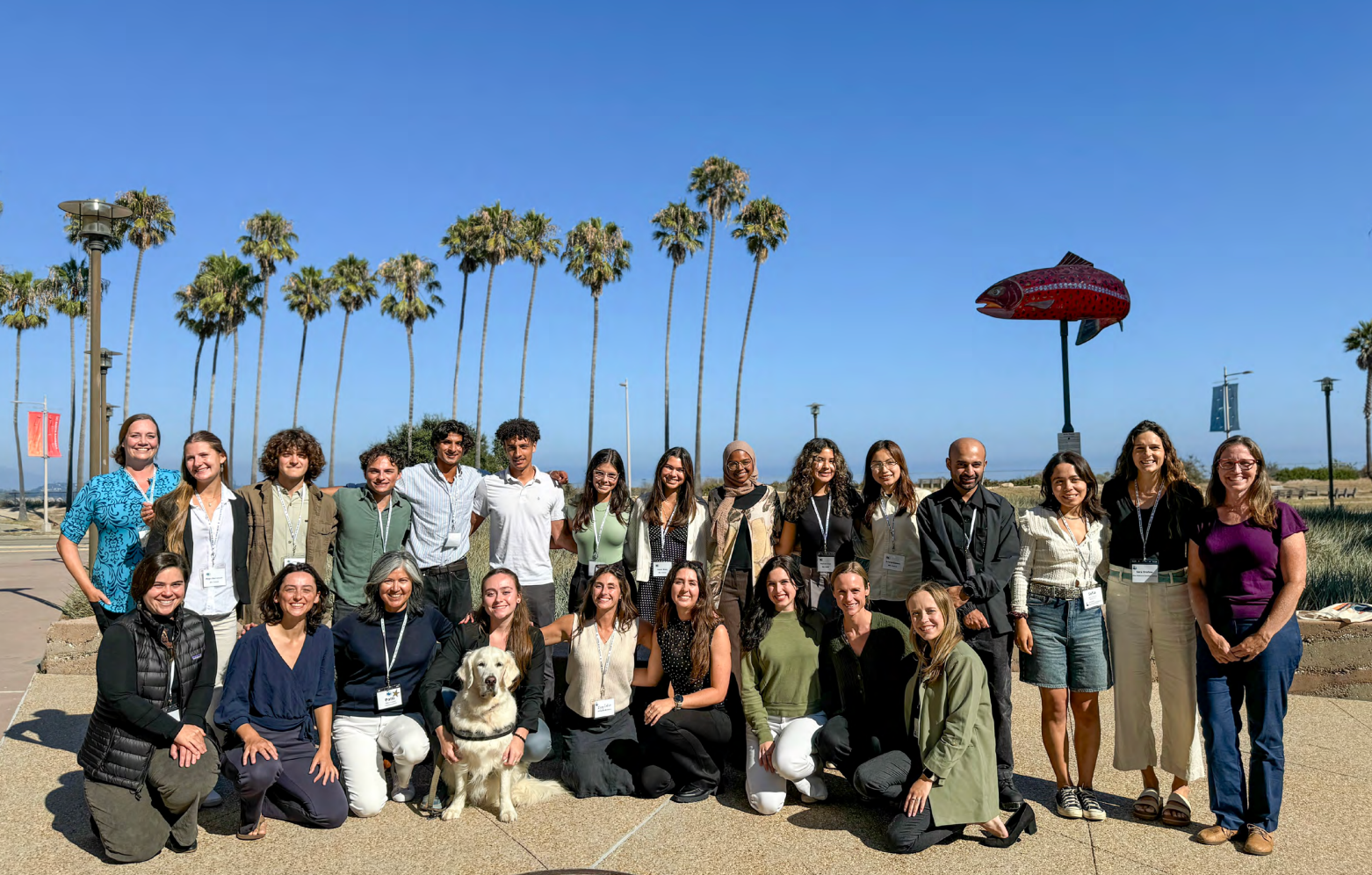
BEL Fellows 2025
End of Summer Flash Talk Celebration
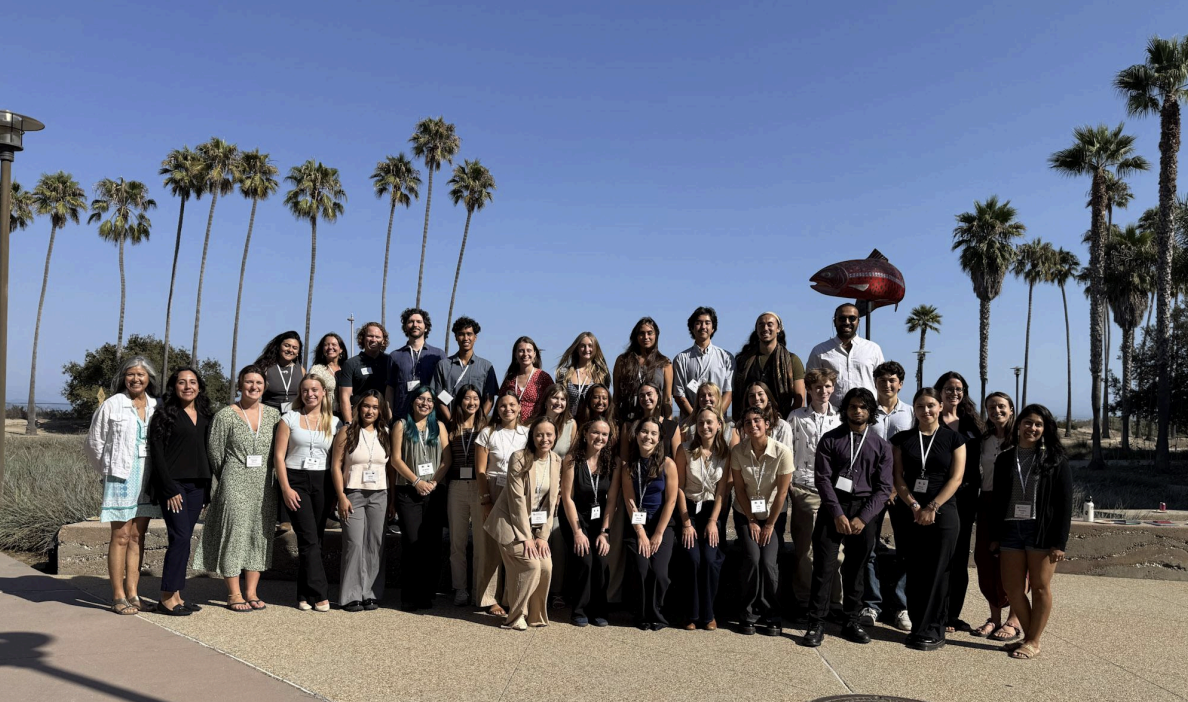
BEL Fellows 2024
End of Summer Flash Talk Celebration
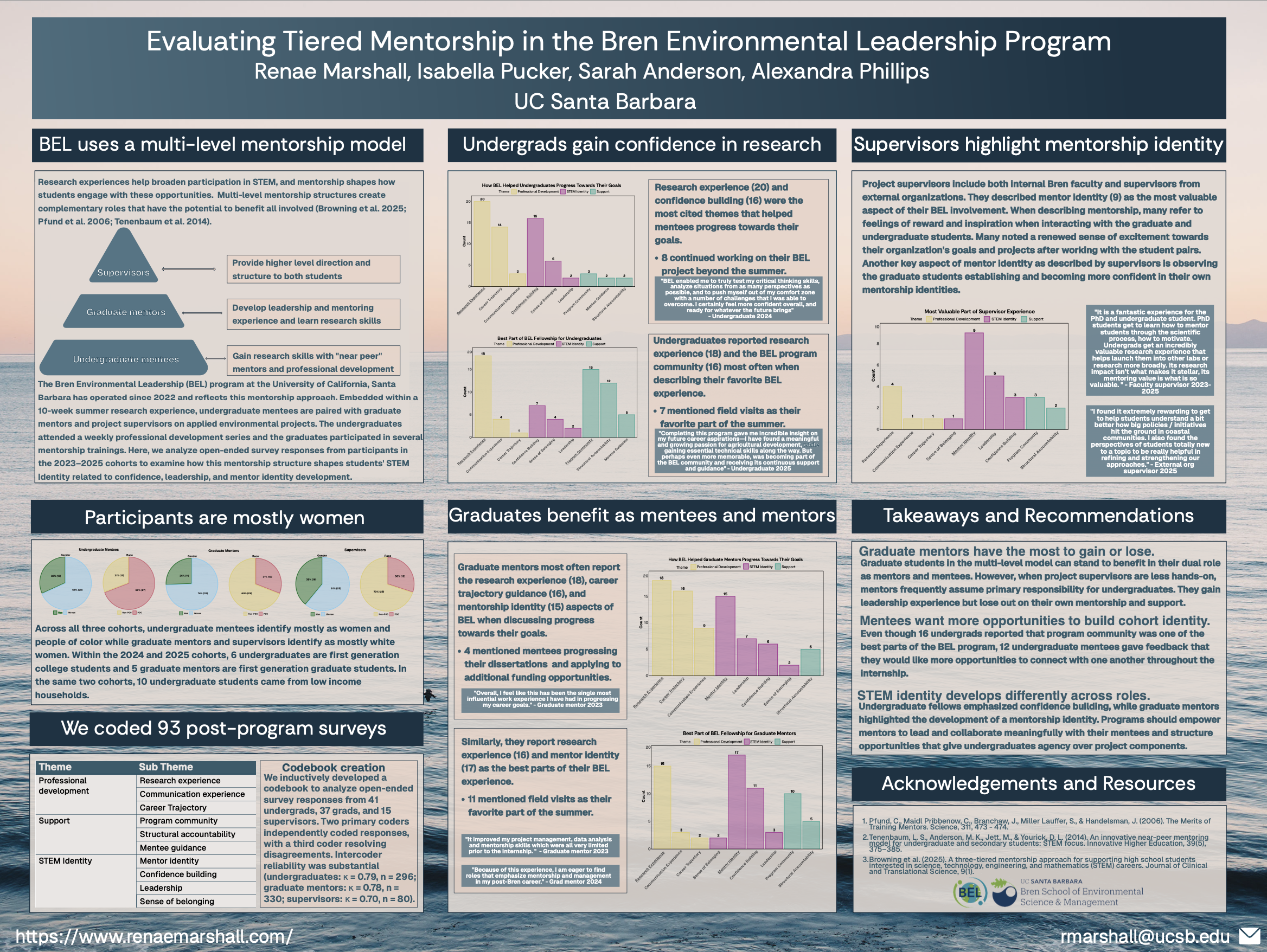
As part of my dissertation research, I chose to evaluate the impacts of the BEL program drawing on my experience as Program Coordinator. The study examines how a multi-level mentorship model shapes professional development and STEM identity among undergraduate mentees, graduate mentors, and supervisors. Using qualitative survey responses from participants in the 2023–2025 cohorts, I explored which aspects of the program were perceived as most valuable, where challenges emerged, and how structured mentorship can expand access to meaningful STEM research experiences. This research was presented at the Teaching Professor Conference at UC Riverside (June 26–27, 2026).